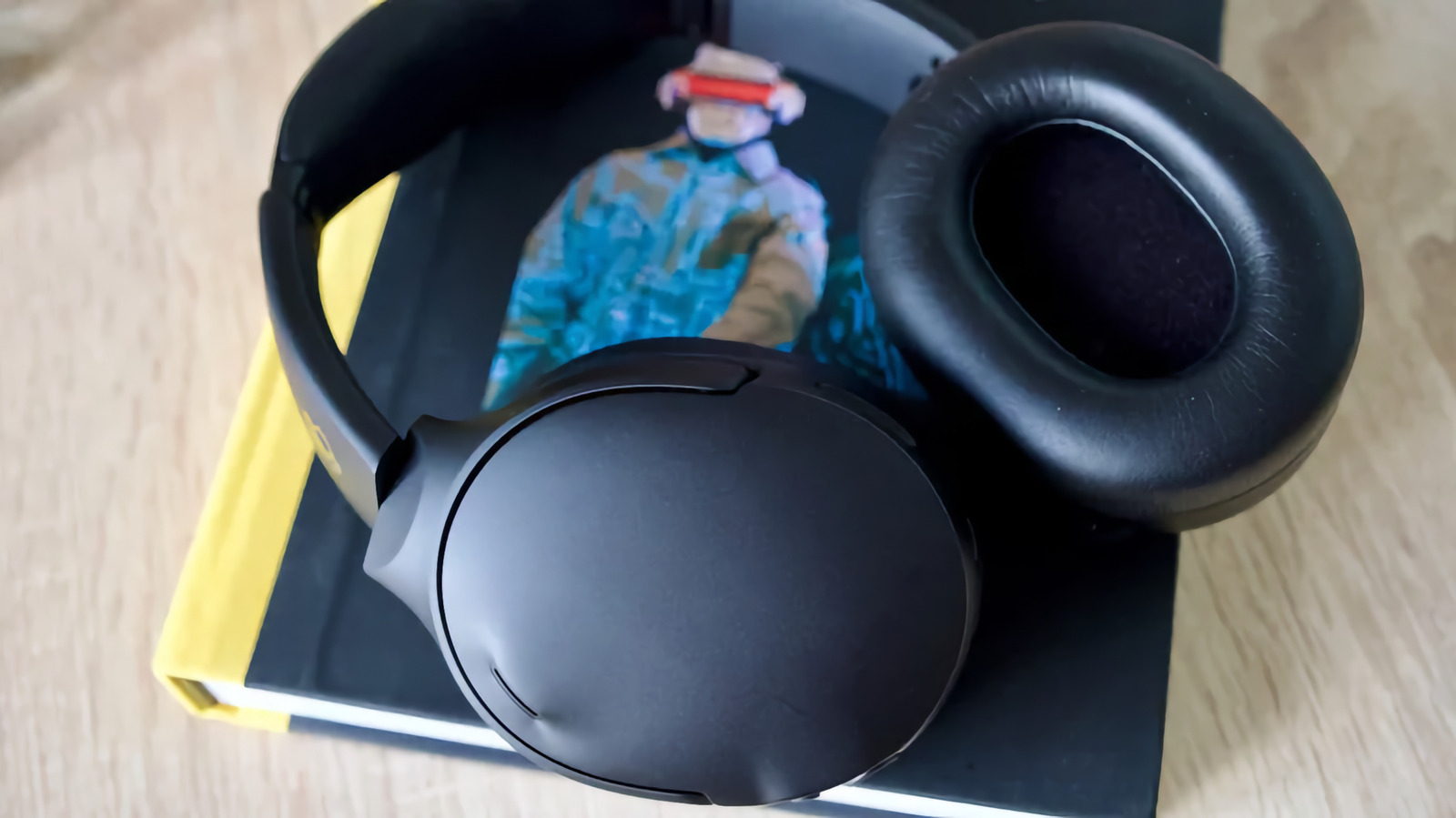
Bose has acquired Skullcandy and will keep the headphone and speaker maker operating as a distinct brand within its consumer audio division, according to Engadget. The announcement came in a press release dated Wednesday, October 21, 2026, and did not include the purchase price. The two companies, long positioned as audio rivals, have actually worked together for several years.
That collaboration has already produced products carrying a "Sound by Bose" label, including Skullcandy's recent Crusher 1080 headphones, Engadget reports. The deal formalizes a relationship that had been building in public view.
Why it matters
The acquisition pairs two brands that sell to very different buyers. Bose is known for premium audio hardware, particularly its noise-cancelling headphones, but Engadget notes it is not generally regarded as hip or trendy. Skullcandy, by contrast, has a more lifestyle-driven identity and reaches into sports, gaming, music and fitness — areas where Bose has a thinner presence.
Engadget frames the logic as Skullcandy potentially becoming to Bose what Beats is to Apple: a route to a younger and more varied customer base, while drawing on technology developed for Bose's more expensive products. For Bose, the stated goal is audience rather than product line.
"For more than 60 years, Bose has been committed to delivering incredible audio experiences however and wherever people choose to listen," Bose CEO Lila Snyder said in the announcement. "As we work to reach even more people, we're expanding how we do that, not only through Bose products, but through technology partnerships and a growing portfolio of brands."
Skullcandy stays in Park City
Skullcandy will continue to operate from Park City, Utah, the city where it was founded, according to Engadget. The company is also expected to gain access to Bose's technology and resources, which Bose says should support further growth and product development.
The arrangement suggests a relatively hands-off integration, at least on the surface: a separate brand, a separate home base, and a stated intent to let Skullcandy keep building. That is a common structure when an acquirer wants the cultural identity of the brand it is buying to survive the transaction.
Bose did not disclose financial terms, so the size of the deal and any premium paid remain unknown.
A crowded and consolidating market
The purchase adds another name to Bose's portfolio at a time when consumer audio companies are competing across price tiers and product categories, from earbuds to gaming headsets to fitness-focused headphones. Owning a second brand lets a company address segments that might not fit its main identity.
Engadget's assessment is that the fit is less strange than it first appears, given the existing partnership and the complementary audiences. Whether that translates into products that clearly borrow from Bose's engineering while keeping Skullcandy's styling and price positioning will be the thing to watch.
What happens next: expect details on how deeply Skullcandy products will draw on Bose technology, and whether the brand's existing lineup and pricing change under new ownership.